


The importance of flipping eggs
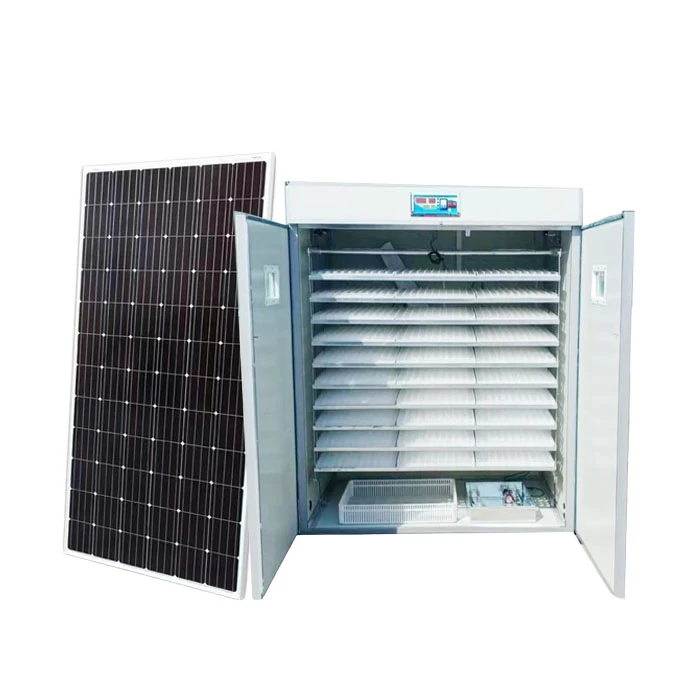
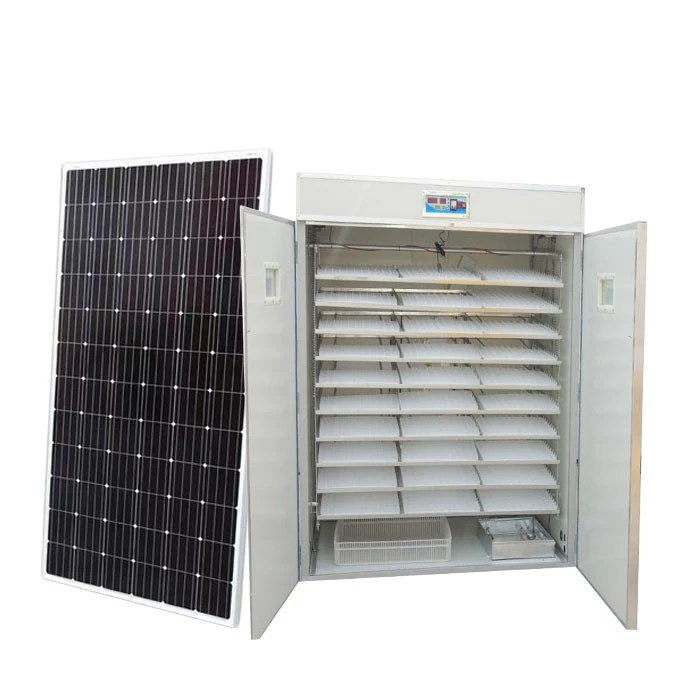
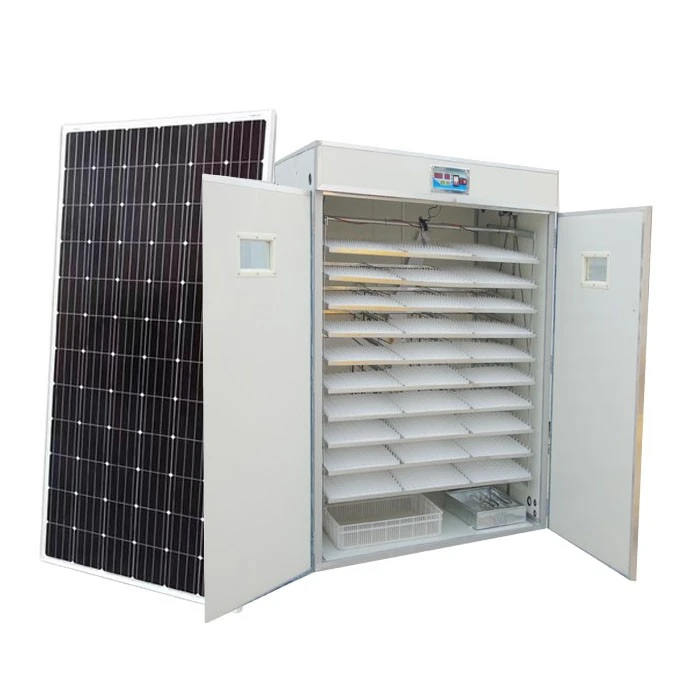
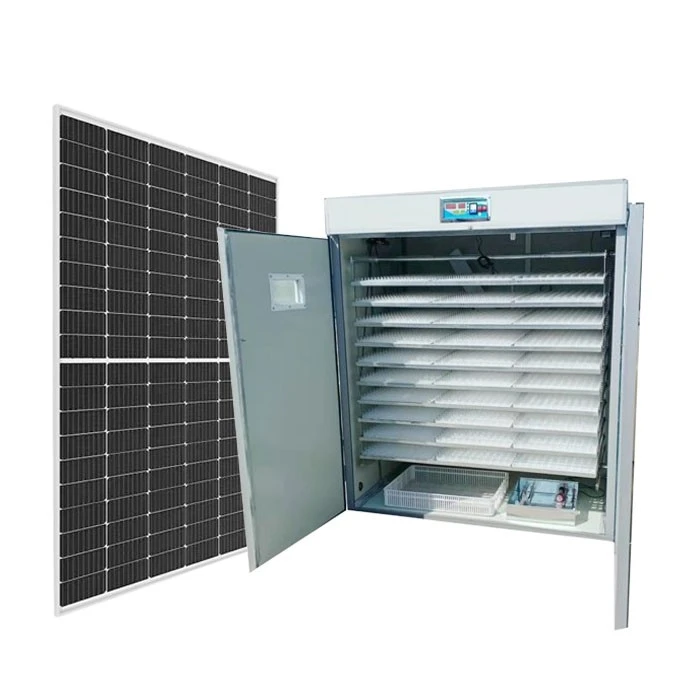
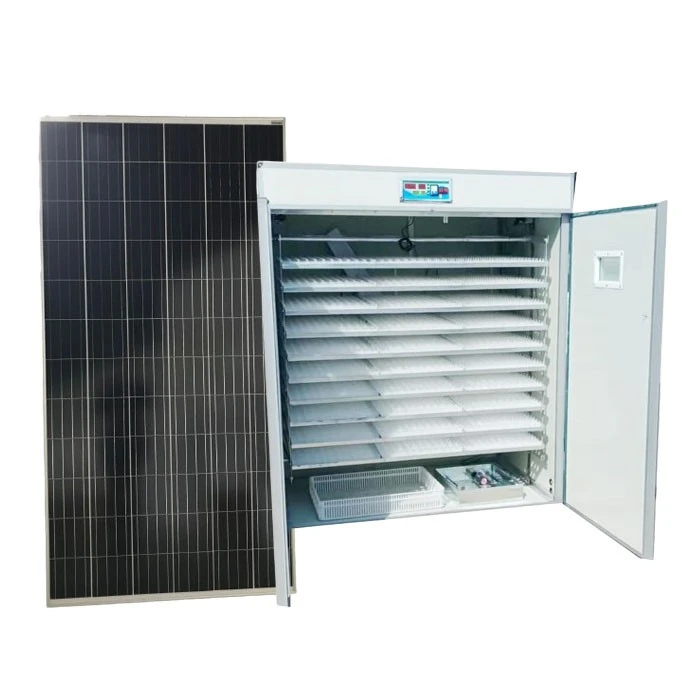
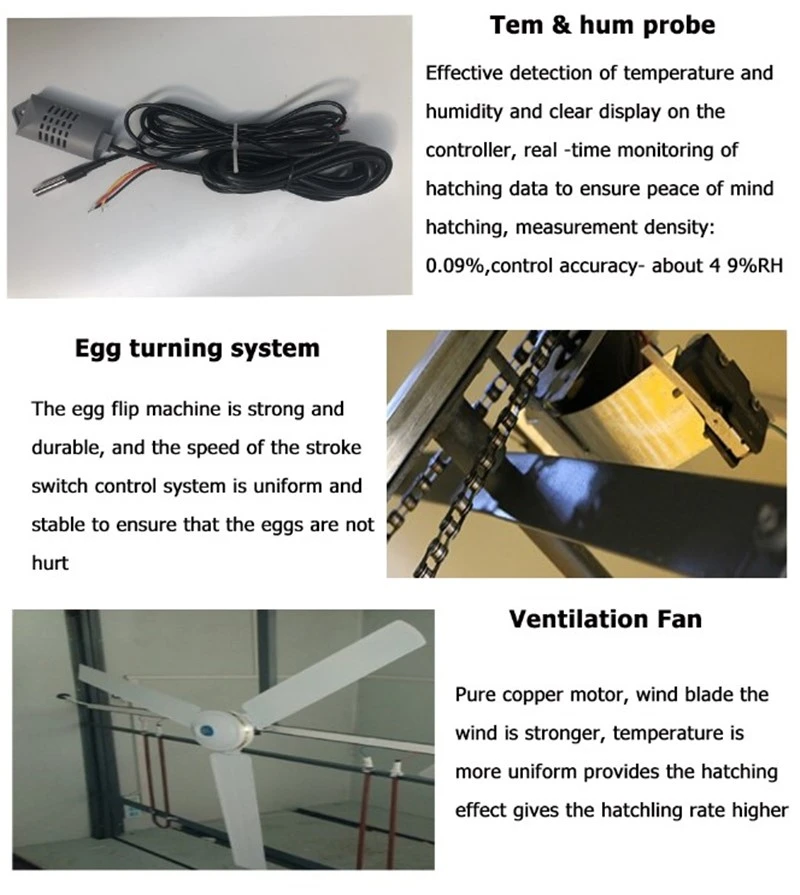
During the hatching process, flipping an egg, also known as flipping an egg, means changing the hatching position and angle of the seed egg. The egg yolk contains more fat and has a smaller weight, always floating on top of the egg. And the embryo is located above the egg yolk. If the egg is not flipped for a long time, the embryo is prone to adhesion to the shell membrane. Therefore. During the hatching process of the Automatic 5280 Solar Egg Incubator, it is necessary to flip the eggs, which is not only to change the position of the embryo by flipping the eggs to prevent adhesion. Moreover, flipping eggs can evenly heat all parts of the embryo and provide relatively fresh air. Beneficial for embryonic development. The egg flipping system of the incubation equipment also helps with embryo movement and improves fetal membrane blood circulation.
During the normal incubation process of the incubator. Generally, eggs are flipped every 2 hours. The angle of flipping the egg should be based on the horizontal position, with a 45 degree tilt forward and backward. When flipping the egg, it should be light, stable, and slow. Do not be rough, and stop riding to cause egg yolk film. Vascular rupture, separation of chorionic villus and eggshell in the urinary bladder,. Death increases. When the incubation temperature in the Automatic 5280 Solar Egg Incubator is low, the number of egg flipping should be increased. When the incubation temperature in the incubator is too high. Do not immediately flip the eggs to prevent increased mortality. Wait until the temperature returns to normal before flipping the eggs. Embryo eggs hatched in batches can last for 19 days, while eggs hatched in batches can stop flipping after 16 days.
Automatic 5280 Solar Egg Incubator Management of Incubators
Egg irradiation: Regular egg irradiation is carried out to check the development of the embryo. The egg irradiation operation requires light, fast, and accurate movements, with caution and stability to prevent shock and damage to the embryo. Observe carefully to avoid missing or incorrect photos.
Egg transfer (drop tray): Moving embryonic eggs from the incubation tray to the hatching tray is commonly known as egg transfer or drop tray. The chicken embryo is transferred to the hatching tray at the age of 18-19 days after hatching. The age of egg transfer depends on the development of the embryo. If the embryo development is delayed, egg transfer can be delayed by 12-24 hours. When transferring the embryo egg into the hatching tray, lay it flat and stop flipping the egg.
Hatching: Chicken embryos start hatching after 20 days. Turn off the lighting of the hatching machine to prevent the chicks from causing disturbance and affecting hatching. After 3-4 hours of hatching, wait for the feathers of the chicks to dry before picking them, and at the same time, pick out the empty eggshells.
Cleaning: After hatching, remove the hatching tray, hatching tray, water tray, brush off broken eggshells, dirt and fuzz, rinse thoroughly, air dry, and then fumigate or disinfect with disinfectant for later use.
|
Capacity |
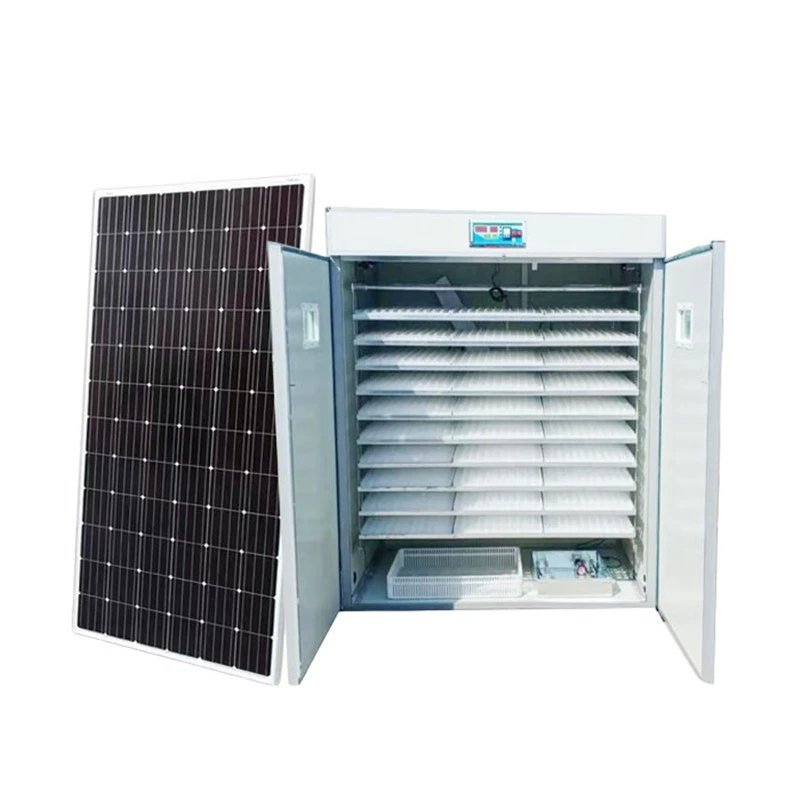
5280chicken eggs |
|
Size |
178*110*190cm |
|
Weight |
330kg |
|
Power |
Dual Power |
|
Pacakage cbm |
4.5cbm |
|
Application |
Home,farm, Retailer |
Hot Tags: automatic 5280 solar egg incubator, China automatic 5280 solar egg incubator manufacturers, suppliers, factory, chicken pellet making machine, professional egg incubator, automatic digital egg incubator, solar poultry incubator, Setter Hatcher, chicks incubator machine