


The incubator is composed of a box, a controller, a temperature probe, a humidity probe, a fan, a heating pipe, an exhaust fan, a ventilation hole, a water tray, a humidification pipe, a hatching basket, an egg holder (laying trolley), an egg tray, an egg turning motor, a travel switch, a lamp port, etc.
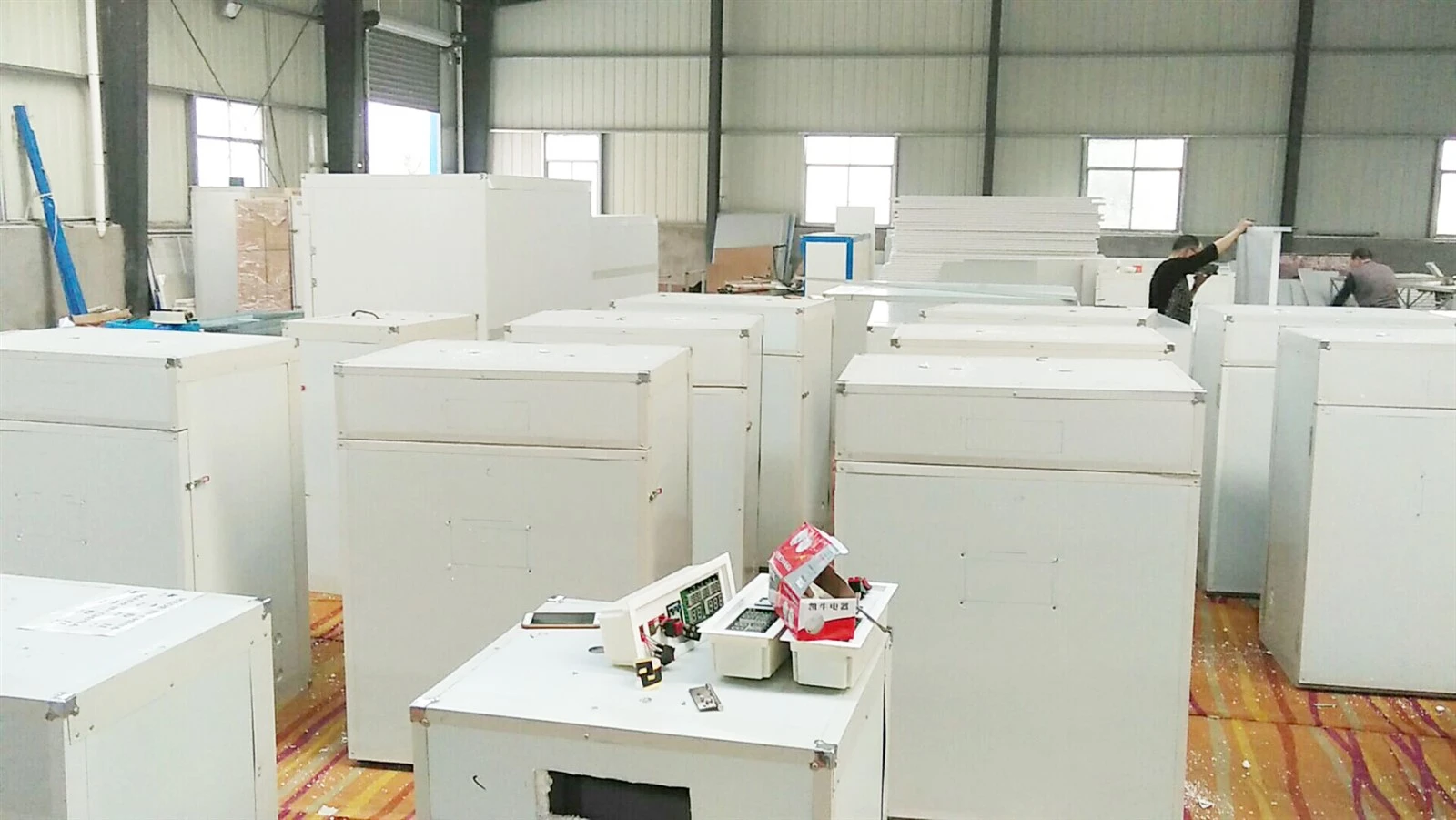
1. Box: The box material is divided into three layers, which is composed of (outer layer) resuscitation steel plate, (middle layer) insulation material, and (inner layer) resuscitation steel plate, which can play a good role in heat preservation.
2. Controller: It is the most important electrical component of the whole incubator, which controls the coordination between various components and feeds back the work results in time.
3. Temperature probe: detects the actual temperature inside the incubator and communicates it to the controller, which displays it.
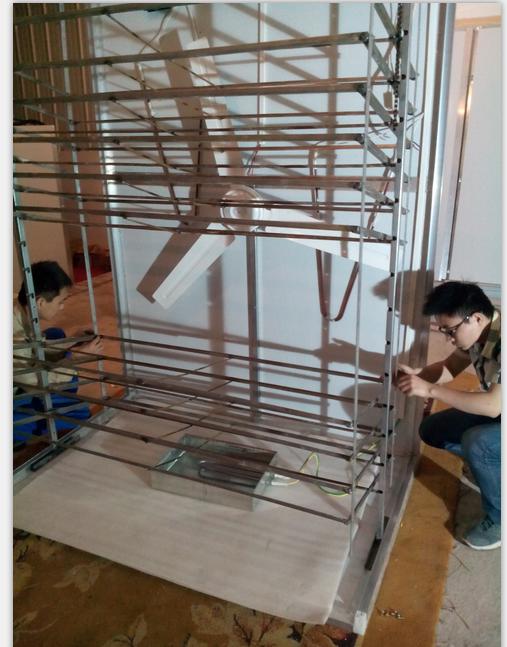
5. Fan and heating tube: The heating tube is the main heating part of the incubator, and the fan is installed in front of the heating tube to evenly distribute the heat emitted by the heating tube to all corners of the incubator.
6. Exhaust fan: When the actual temperature in the incubator exceeds the set temperature, the exhaust fan will work automatically to discharge the excess heat in the incubator in time to achieve the temperature balance in the incubator.
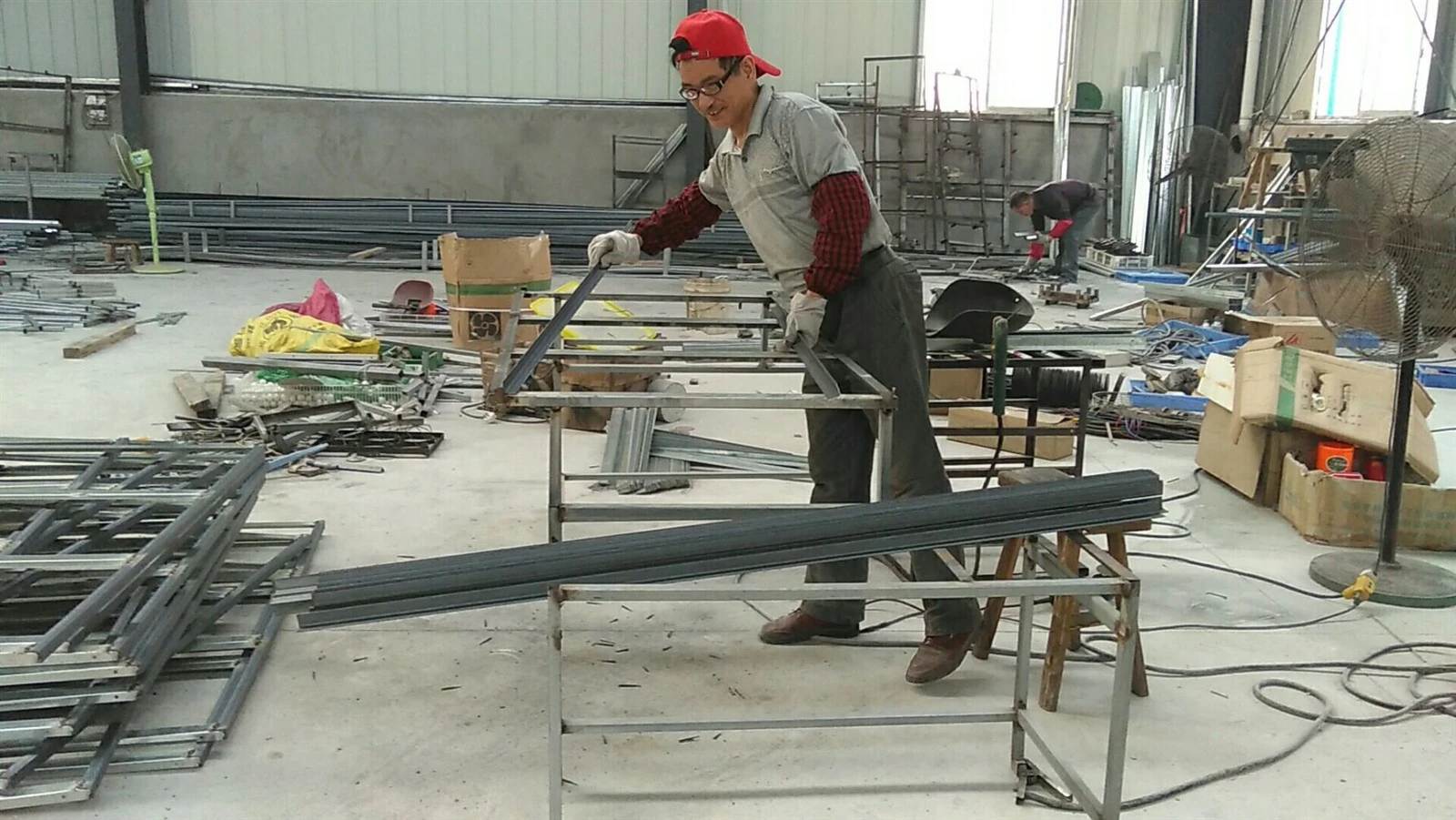
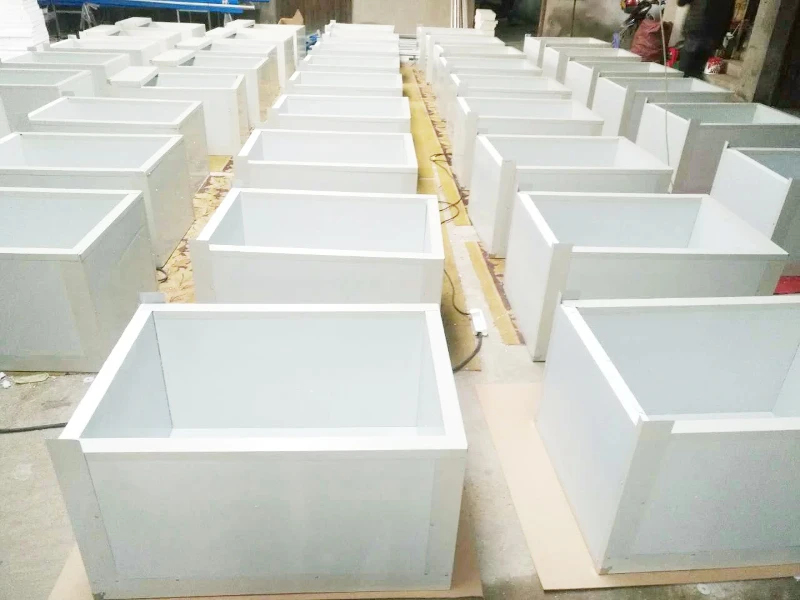
7. Vent: When the eggs hatch to a certain time, with the development of the chicks, more and more oxygen is needed, open the vent, can
greatly increase the air flow inside the incubator, in order to increase the oxygen inside the incubator, to meet the demand for oxygen of the hatchlings, the vents are all opened after the eggs are put on the tray
8. Water tray and humidification pipe: The humidification pipe is installed inside the water tray, the water tray is filled with water, and the water in the water tray is heated through the humidification pipe to promote the evaporation of water to increase the humidity inside the incubator.
9. Hatcher basket: On the top of the water pan, the eggs are moved to the hatching basket at the later stage of incubation for the hatchlings to emerge.
10. Egg racks and egg trays: The number of layers of egg racks is different for different models of incubators; The hatching varieties are different, and the egg trays are also different; Egg trays are placed on all levels of the egg rack, and the pre- and mid-hatching of eggs takes place on the trays.
11. Egg turning motor and travel switch: The egg turning motor is installed in the center above the side of the egg rack, and a travel switch is installed on both sides; The egg turning motor is the main component of the automatic egg turning machine of the incubator; When the set egg turning time is reached, the controller will send a command to the egg turning motor to start rotating, and when the egg rack flips to a certain angle and touches the travel switch, the egg turning stops; When the set egg turning time is reached again, the controller will send out another command to turn the egg turning motor in the opposite direction, and when the egg rack flips to a certain angle and touches the travel switch of the other side, the egg turning stops. And so it works in a reciprocating cycle.
12. Lamp port: The user needs to install the bulb by himself, the main function is to illuminate the inside of the incubator, and the inside of the incubator can be clearly seen through the observation window.
Thank you for your watching!