


Risk of early transfer to brooders
Hatched chicks usually have moist feathers that must be dried before being transferred from the incubator. Removing chicks from the incubator too early may leave them cold and prone to death. Before transferring the feathers, they must be allowed to dry and become fluffy (or fluffy).
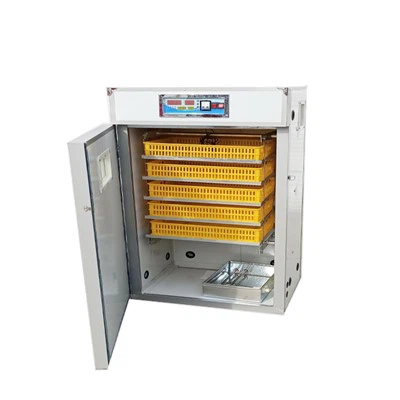

Avoid rushing to remove the hatched chicks. Leaving the hatched chicks in the incubator while other eggs are hatching encourages other eggs that are still inside the eggs to break and hatch. However, there are times when you need to be mindful as the hatched chicks may start pecking or pecking at the newly hatched chicks.
Resting the chick for a few hours also allows its lungs to adjust as it hatches. Disrupting this process may result in injury to the embryo. The Be You egg incubator has a 360° egg turner and ventilation system that minimizes the risk of hatching poor eggs. It also has an effective lighting system that allows for seamless observation of the incubation process.
Ideal time to transfer chicks
During a normal chick incubation process, all eggs should hatch within 36 hours. However, there may be some time lag between the chick breaking and the completion of hatching. But all of this should happen in a reasonable amount of time.
It is recommended that the ideal time between hatching and taking out chicks is about 24 to 36 hours, with one hour at the earliest. The ideal chick must be able to walk, dry, and have fluffy feathers during this time.
Factors that can cause incubation delays include:
Large eggs: They take longer to hatch than small eggs.
Long-term storage: The longer the eggs are stored before hatching, the longer it will take to hatch.
Incubation temperature: Low incubation temperature can prolong incubation time.
High humidity: High humidity can hinder the proper evaporation of water from the eggs and prolong the incubation time.
Weak embryos: Weak embryos are unable to hatch quickly, usually due to insufficient nutrition of the parents.
Flocks: Old flocks or inbred flocks may cause delays in incubation time.
Chicks usually complete the absorption of the yolk sac around the 20-21st day of incubation. After that, they start to survive on the nutrients in the yolk. At the same time, the longer the incubation time, the less reserve there is for survival after hatching.
If hatching late, transfer the chicks to a warm incubator as soon as possible. That said, in addition to providing optimal brooding environmental conditions, Be You's highly regulated incubator can help you determine the best time to transfer chicks from your incubator.
With its 110V power supply and included 12V battery power, Be You's automatic incubator can help you maintain perfect environmental conditions when power goes out. Its temperature may fluctuate by about 0.9°F, but this is normal and does not affect incubation.